Why A Strong Public Safety DAS System Power Strategy Matters During Long Grid Outages

Long grid outages change the stakes inside commercial buildings. Elevators stop, access control shifts to manual procedures, and tenants rely on radios and phones to coordinate what is happening on each floor. In that moment, in-building public safety coverage is not a “nice extra.” It becomes part of how first responders and building teams keep people moving safely, with fewer blind spots.
The problem is that many outages last longer than the power plant was built for. A system might hold for a short interruption, then fade as batteries drain, rooms heat up, or transfer equipment behaves unpredictably. A strong power strategy is the difference between “we passed once” and “we stay ready,” even when the lights stay off for hours, and the building is running on manual processes. It also keeps decision-making simpler for security and facilities teams.
Battery Runtime Planning for Safety DAS Coverage
Battery backup is the first layer of a power strategy, but runtime has to be calculated, not guessed. Teams need to know what equipment is on backup, how much current it draws under load, and what temperature conditions will be during an extended event. A plan that only covers a brief interruption may fail during real grid stress, when restoration is slow, elevators are down, and service crews are stretched across the city.
For buildings that rely on public safety DAS coverage, battery planning should include realistic headroom, clear replacement intervals, and a simple way to verify capacity over time. If batteries are tucked in a hot closet, runtime shrinks faster than owners expect. When the battery plan is documented and maintained, it becomes a dependable bridge, not a hopeful placeholder, until generator power stabilizes and building systems return in stages across the property.
Managing Load and Heat for Public-Safety DAS Resilience
Extended outages can push equipment rooms outside normal conditions. Cooling may be limited, ventilation can change, and building systems that normally keep temperatures stable may not operate as expected. As rooms heat up, batteries lose efficiency and electronics become less tolerant of voltage swings. Load management, airflow planning, and realistic room placement help protect uptime when the building is under stress, and they prevent “good on paper” runtime from collapsing in practice.
Another practical consideration is how power and heat risks compound across remote nodes. If remote units are spread through risers and ceilings, one overheated closet can create a localized dead zone that is hard to diagnose mid-event. Teams can reduce that risk by selecting protected locations, planning airflow, documenting which spaces must remain accessible during emergencies, and keeping critical closets off limits for ad hoc storage that blocks ventilation for long periods.
Generator and Transfer Design for Public Safety System Uptime
Generators solve duration, but only when the transfer is smooth. Poorly coordinated automatic transfer switches can create brief drops that reboot equipment or force remote units into fault states. Those moments are easy to ignore during routine building tests, yet they can cause real gaps when responders arrive during a storm event. A strong design keeps critical communications loads separated, protected, and prioritized during transfer, with clear circuit ownership from day one.
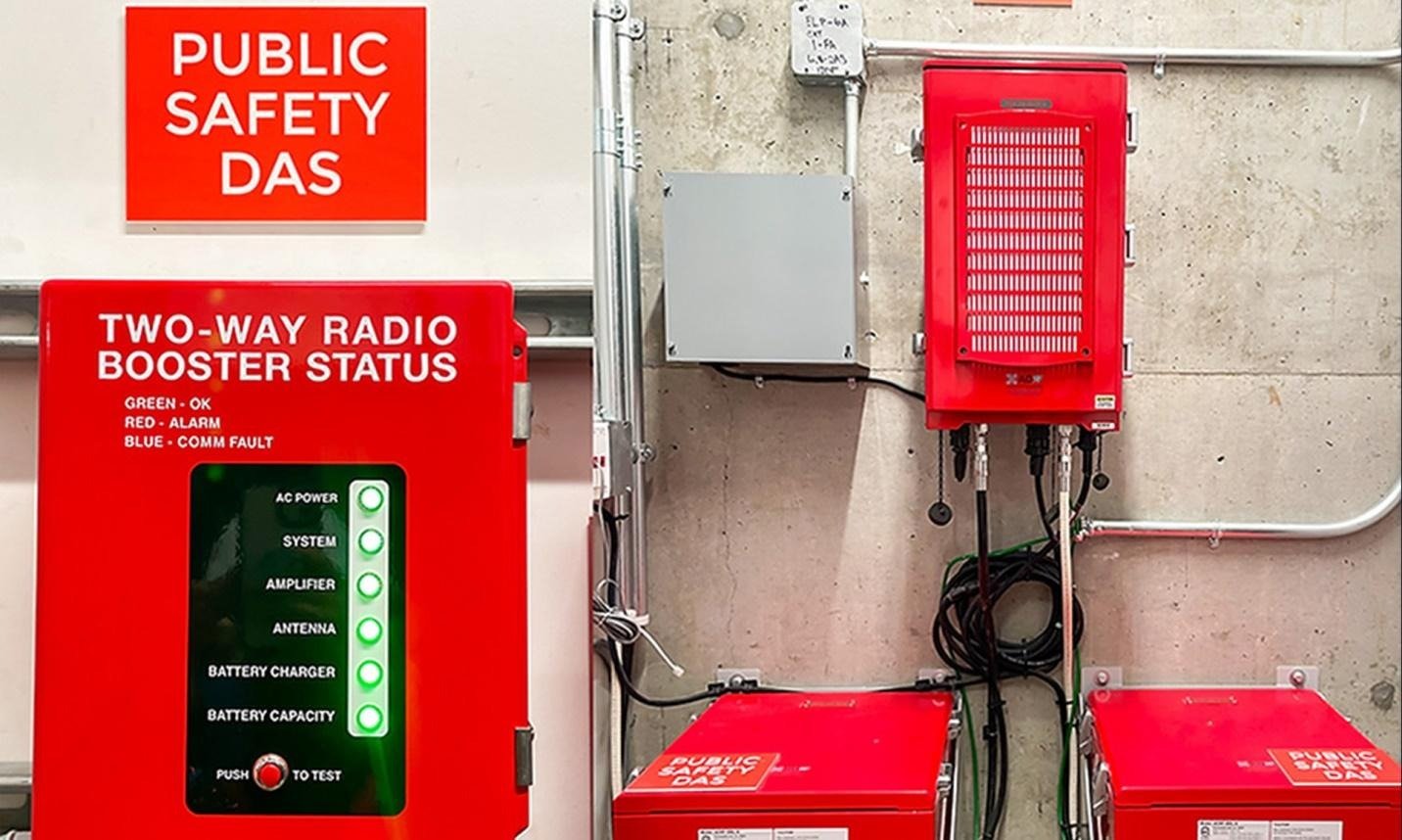
A resilient public safety DAS system plan aligns generator capacity, ATS behavior, and power distribution so communications equipment sees clean, stable power. That includes proper grounding, surge protection, and clear labeling so the right circuits stay energized. When the electrical path is predictable, teams spend less time chasing “mystery resets” and more time keeping coverage consistent across floors, garages, and interior corridors during extended outages without chasing resets in the dark.
What Long Outages Reveal About In-Building Reliability
A short outage can hide weak points. When power returns quickly, teams may never notice that a cabinet alarm did not report, a battery string was aging, or a remote node dipped offline for five minutes. Long outages do not give that grace. They expose every assumption, especially in buildings with multiple tenants, shared risers, and equipment rooms that are not staffed after hours, then demand answers when it matters most.
They also create moving targets. As tenants evacuate, re-enter, or relocate operations to safer areas, responder routes and gathering points change. Stairwells, garages, loading corridors, and interior pathways become more important than conference suites. A resilient plan anticipates those shifts and keeps communications stable where teams will actually work, including the zones people use to stage, triage, and coordinate, not just where it was easiest to mount equipment during emergencies.
Power Supervision and Maintenance That Catch Problems Early
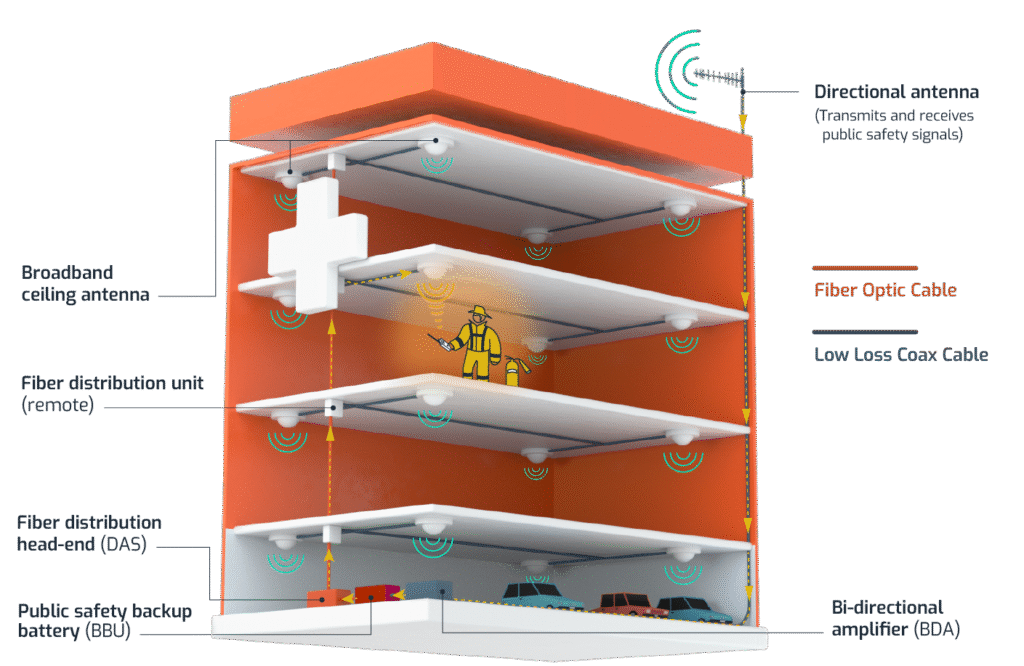
During long outages, the real threat is silent failure. A device can be “on” but not healthy, or it can fall back into reduced performance without obvious signs to building staff. For public safety DAS, supervision, alarms, and status visibility help teams respond before the outage becomes a communications problem. Clear escalation paths matter too, because someone has to receive the alert, access the room, and act, even after hours, without delay at night. Maintenance keeps supervision meaningful. Batteries need periodic testing, connectors need inspection, and equipment rooms need basic environmental checks. When owners log service dates, note replacements, and verify alarm reporting, they reduce reliance on memory and assumptions. Over time, that discipline turns the power strategy into an operational routine instead of a once-a-year checkbox, and it shortens response time when something actually fails in the middle of an outage when staff is thin.
Outage Drills and Records for The Public Safety DAS Approval
A power strategy is only as good as its proof. Outage drills can be simple, but they should be structured: verify transfer behavior, confirm runtime expectations, and check that alarms report where they should. Short, repeatable test steps help teams find weak points without shutting down daytime operations. They also create a baseline record that makes future upgrades and retests faster and less disruptive, because teams are not starting from zero each time.
For a public safety DAS system program, documentation is not paperwork for paperwork’s sake. It is the story of what was tested, what was corrected, and what the building can support during a long event. Clear as-builts, labeled circuits, battery records, and verification notes help owners answer AHJ questions quickly and keep confidence high after renovations or tenant changes, especially when multiple contractors have already touched the space over time.
Conclusion
Long outages are when plans get judged, not on the day the system is commissioned. Power strategy protects responder communications by combining realistic battery runtime, stable generator transfer, environmental resilience, and routine verification. When teams treat power as part of the life safety conversation, they reduce surprises, limit downtime, and keep coverage usable when a building is operating under stress, even across multiple days.
CMC communications can support commercial teams by reviewing power paths, coordinating verification steps, and organizing documentation that stays useful after upgrades. Their team helps owners align battery maintenance, transfer behavior, and room conditions with the realities of long outages, so emergency coverage remains dependable across seasons, tenants, and renovations, with clearer accountability when stakeholders ask what was done and when.
See also: What to Look for When Choosing Building Contractors for Commercial and Residential Projects
Frequently Asked Questions
Question: How long should backup power support public safety communications equipment?
Answer: Runtime expectations vary by jurisdiction and building design, but teams should plan for more than a brief interruption. A realistic target accounts for slow restoration, limited service access, and hot equipment rooms. Owners should confirm what is required locally, then verify runtime through testing and maintenance records. Overbuilding runtime slightly is often cheaper than losing coverage during a long event.
Question: Why do systems fail during transfer even when a generator works?
Answer: Transfer events can create short power dips, surges, or unstable voltage that causes sensitive equipment to reboot or fault. If communications loads are not protected, brief transitions can create coverage gaps. Clean power design, proper grounding, and surge protection reduce this risk. Testing transfer behavior under load is the best way to spot issues early.
Question: What maintenance items matter most for long outage readiness?
Answer: Battery health and alarm reporting are usually the first priorities. Batteries age, lose capacity, and perform worse in heat, so routine checks and replacement intervals matter. Teams should also inspect connectors, verify labeled circuits, and confirm that alarms reach the right contacts. A simple log with dates and results is often enough to prevent silent failure.
Question: How can owners reduce risk in hot equipment rooms?
Answer: They can start by verifying ventilation and ensuring critical gear is not placed in cramped closets with poor airflow. During outages, cooling may be limited, so room conditions need realistic planning. Owners can also separate heat-generating equipment, keep pathways clear, and monitor temperature where practical. Heat planning protects both batteries and electronics during long events.
Question: What documentation should be kept for AHJ questions after an outage?
Answer: Owners should keep as-builts, labeled power and circuit maps, battery maintenance records, and notes from transfer and runtime tests. A brief summary of corrective actions helps, too. When records are organized, teams can answer questions quickly and avoid repeating testing. Documentation also supports smoother inspections after renovations or tenant changes.