E-Waste Environmental Impact: Why Ignoring Electronic Waste Is No Longer an Option

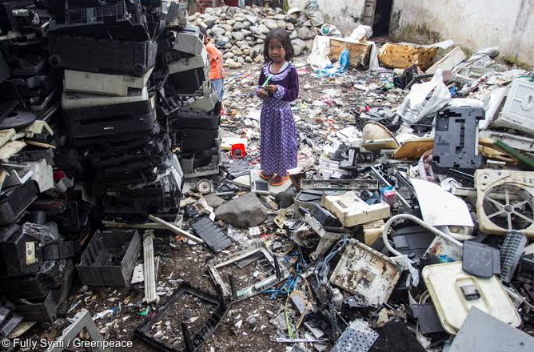
Every year, millions of electronic devices reach the end of their life cycle, yet only a fraction of them are disposed of responsibly. The growing e-waste environmental impact has become one of the biggest environmental challenges of our time, affecting everything from soil and water quality to human health and natural ecosystems. As technology advances at a rapid pace, replacing devices has become easier than repairing them, creating an ever-growing mountain of discarded electronics. Understanding the consequences of e-waste is the first step toward making more sustainable decisions for both businesses and individuals.
What Is E-Waste?
Electronic waste, commonly known as e-waste, includes discarded electronic devices such as:
- Computers and laptops
- Smartphones and tablets
- Printers
- Televisions
- Servers
- Networking equipment
- Batteries and accessories
While these products improve our daily lives, they also contain hazardous materials like lead, mercury, cadmium, and brominated flame retardants. If these materials are not handled properly, they can leak into the environment and create long-term ecological damage.
See also: Who Behind the Scenes Brings Your MFG Merch Custom Corporate Garments to Life?
Why E-Waste Is Growing So Quickly
Technology evolves faster than ever before. Consumers replace devices every few years, while businesses upgrade their IT infrastructure to stay competitive and secure.
Several factors contribute to rising e-waste levels:
- Shorter product life cycles
- Frequent hardware upgrades
- Limited repair options
- Rapid technological innovation
- Increased global demand for electronics
Without responsible recycling and disposal programs, most of these discarded electronics end up in landfills.
The Environmental Consequences of E-Waste
Soil Contamination
When electronics are dumped in landfills, toxic substances gradually seep into the soil. Heavy metals remain in the ground for decades, reducing soil quality and harming plant life.
Contaminated soil can also affect nearby agricultural land, eventually entering the food chain.
Water Pollution
Rainwater can carry hazardous chemicals from improperly discarded electronics into rivers, lakes, and groundwater.
This contamination threatens drinking water supplies and aquatic ecosystems, making proper recycling essential for protecting water resources.
Air Pollution
In many parts of the world, e-waste is burned to recover valuable metals like copper and aluminum.
Unfortunately, burning electronics releases dangerous pollutants into the atmosphere, including toxic gases and fine particulate matter that contribute to respiratory illnesses and environmental degradation.
Valuable Resources Are Being Wasted
Many electronic devices contain precious materials such as:
- Gold
- Silver
- Copper
- Palladium
- Rare earth elements
When electronics are thrown away instead of recycled, these valuable resources are permanently lost. Recovering them through certified recycling reduces the need for additional mining, conserving natural resources and lowering carbon emissions.
The Human Health Risks
Improper e-waste disposal affects more than just the environment.
Workers involved in informal recycling operations often handle electronics without proper protective equipment. Exposure to toxic metals and chemicals has been linked to:
- Respiratory problems
- Nervous system damage
- Kidney disease
- Developmental issues in children
- Increased cancer risks
Communities living near informal dumping or burning sites also face higher exposure to these hazardous substances.
Why Businesses Should Care
Organizations generate significant amounts of electronic waste through regular equipment upgrades.
Responsible disposal offers several benefits:
- Environmental compliance
- Better data security
- Improved corporate sustainability
- Stronger brand reputation
- Reduced environmental footprint
Companies that work with certified IT asset disposition providers help ensure that retired equipment is either refurbished, recycled responsibly, or disposed of safely.
Many organizations also rely on managed it services dallas providers to maintain hardware efficiently, extend equipment lifespans, and develop sustainable replacement strategies that reduce unnecessary electronic waste.
Practical Ways to Reduce E-Waste
Reducing electronic waste doesn’t always require major lifestyle changes. Small decisions can have a significant impact over time.
Buy Quality Products
Choosing durable, well-built electronics often means fewer replacements and less waste.
Repair Before Replacing
Many devices can continue functioning with simple repairs, battery replacements, or component upgrades.
Donate Working Electronics
If a device still works, consider donating it to schools, charities, or community organizations instead of throwing it away.
Recycle Through Certified Programs
Always use authorized electronic recycling centers that follow environmentally responsible recycling standards.
Extend Device Lifespans
Regular maintenance, software updates, and proper storage help electronic devices remain functional for longer periods.
The Role of Manufacturers
Manufacturers are also beginning to address the growing e-waste crisis by:
- Designing products that are easier to repair
- Using recycled materials
- Offering trade-in programs
- Reducing hazardous substances
- Improving product recyclability
These initiatives support a more circular economy, where products remain in use for as long as possible before their materials are recovered and reused.
Looking Ahead
Technology will continue to evolve, but sustainability must evolve alongside it.
Governments, manufacturers, businesses, and consumers all share responsibility for reducing the environmental impact of discarded electronics. Better recycling infrastructure, smarter purchasing decisions, and longer product life cycles can significantly reduce the burden that e-waste places on the planet.
Even small actions—repairing a laptop instead of replacing it, recycling an old smartphone, or choosing certified disposal services—can collectively make a meaningful difference.
Final Thoughts
The e-waste environmental impact is no longer a future concern—it’s a present-day challenge that continues to grow each year. Every discarded device represents both an environmental risk and a missed opportunity to recover valuable resources responsibly.
By making informed decisions about how electronics are purchased, maintained, reused, and recycled, individuals and businesses can help reduce pollution, conserve natural resources, and create a more sustainable future. Responsible e-waste management isn’t simply about disposing of old devices correctly; it’s about recognizing the long-term value of protecting the environment for generations to come.