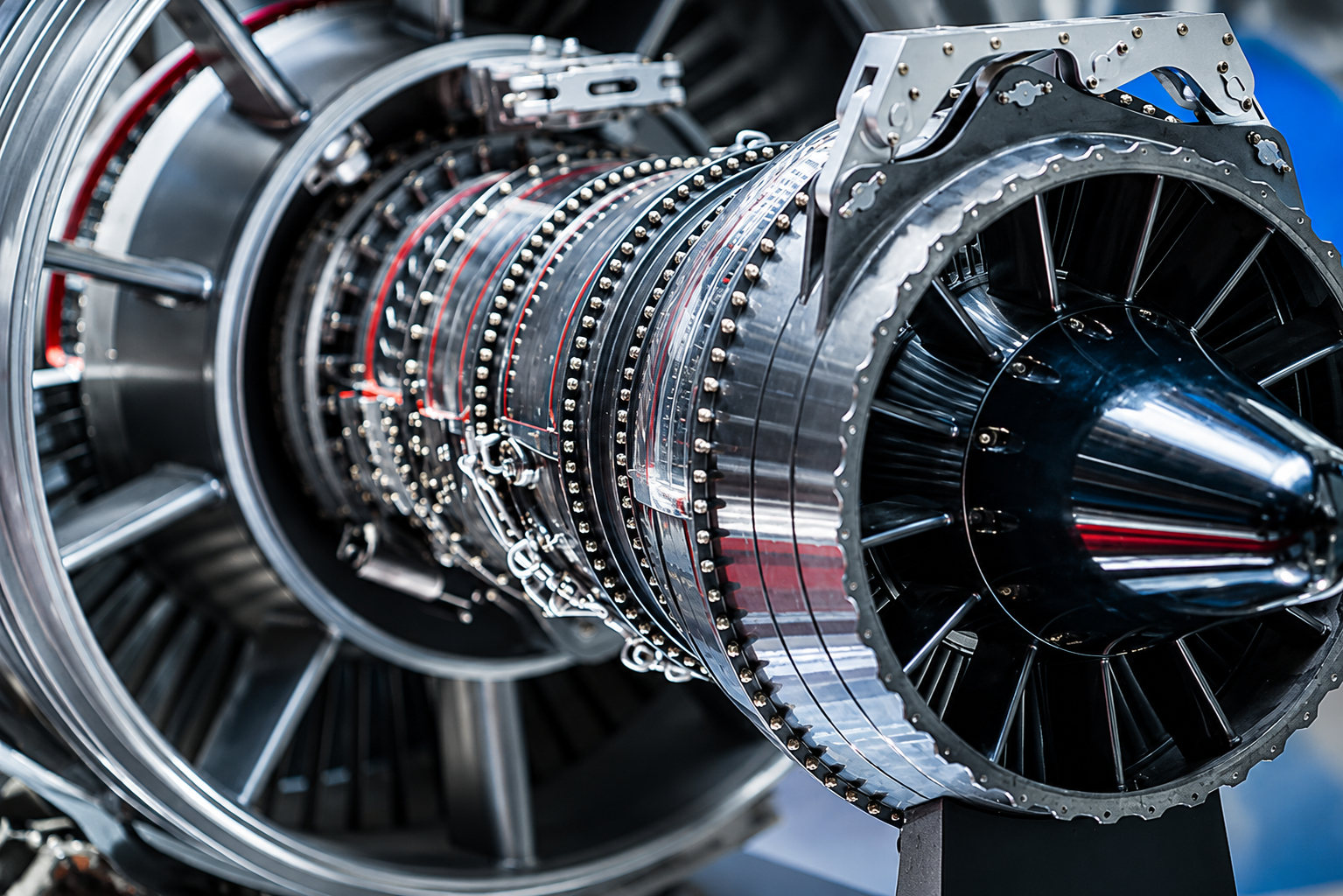
Turbine Component Repair: A Practical Guide to Improving Turbine Performance and Reliability

Industrial turbines operate under demanding conditions where high temperatures, continuous rotation, pressure variations, and mechanical stress are part of everyday operation. Over time, even the most durable turbine parts experience wear, corrosion, erosion, and fatigue. Without timely maintenance, these issues can reduce efficiency, increase operating costs, and lead to unexpected shutdowns.
This is where turbine component repair becomes an essential part of plant maintenance strategies. Rather than replacing expensive components, professional repair services restore critical parts to their original specifications, extending equipment life while maintaining operational reliability.
This guide explores the importance of turbine component restoration, common causes of damage, repair techniques, inspection methods, and best practices for maximizing turbine performance.
Why Turbine Components Require Regular Maintenance
Every turbine consists of numerous precision-engineered parts that work together under extreme operating conditions. Whether in power generation, oil and gas, manufacturing, or industrial processing, these components experience continuous thermal and mechanical loading.
Several factors contribute to component degradation, including:
- High operating temperatures
- Thermal cycling
- Foreign object damage
- Corrosion from moisture and chemicals
- Surface erosion
- Mechanical fatigue
- Vibration-related wear
Even minor surface damage can affect airflow, reduce efficiency, and create stress concentrations that eventually develop into larger failures.
Routine inspection and timely repairs significantly reduce these risks while supporting longer equipment service life.
See also: Who Behind the Scenes Brings Your MFG Merch Custom Corporate Garments to Life?
Common Turbine Components That Need Repair
A turbine contains several high-value components that require periodic evaluation throughout their operating lifecycle.
Blades
Blades convert energy into rotational movement and experience constant exposure to heat and high-velocity gases. Surface wear, cracks, tip damage, and erosion are common issues that require precision restoration.
Buckets
Buckets in gas turbines endure significant thermal loading while maintaining aerodynamic efficiency. Even small defects can reduce overall turbine performance and fuel efficiency.
Vanes
Stationary vanes guide airflow through turbine stages. Damage to vane surfaces affects airflow distribution, reducing efficiency and increasing operational stress.
Rotating Assemblies
Rotors, shafts, and discs require careful balancing and inspection to maintain vibration control and mechanical stability.
Common Causes of Turbine Damage
Understanding why turbine components deteriorate helps maintenance teams develop effective inspection programs.
High Temperature Exposure
Continuous exposure to elevated temperatures gradually weakens protective coatings and base materials.
Oxidation
Hot gases react with component surfaces, causing oxidation that slowly reduces material thickness.
Corrosion
Moisture, contaminants, and chemical exposure accelerate corrosion, especially during shutdown periods.
Erosion
Particles traveling through the turbine strike component surfaces at high speed, gradually removing protective material.
Fatigue Cracking
Repeated heating, cooling, and vibration cycles create microscopic cracks that expand over time.
Foreign Object Damage
Debris entering the turbine can create impact damage that compromises structural integrity.
Benefits of Professional Repair Services
Repairing components instead of replacing them provides numerous operational and financial advantages.
Extended Equipment Life
Restoring worn components allows facilities to maximize the value of existing assets while delaying costly replacements.
Improved Operational Efficiency
Properly restored surfaces improve airflow, combustion efficiency, and overall turbine output.
Reduced Downtime
Planned repairs during scheduled outages minimize unexpected shutdowns and improve production planning.
Lower Maintenance Costs
Repairing critical parts often costs significantly less than purchasing new components.
Better Reliability
Quality restoration helps reduce unexpected failures and supports long-term equipment reliability.
Advanced Inspection Before Repair
Successful repairs begin with detailed inspections that accurately identify damage.
Modern repair facilities commonly use:
- Visual inspection
- Dimensional measurement
- Fluorescent penetrant inspection
- Magnetic particle inspection
- Ultrasonic testing
- Eddy current testing
- X-ray examination
- Coordinate measuring machines (CMM)
These inspection methods determine whether components are suitable for restoration and identify hidden defects before repairs begin.
Modern Repair Techniques
Today’s repair facilities combine advanced engineering with specialized restoration processes to restore complex turbine parts.
Precision Welding
Specialized welding techniques restore damaged material while maintaining component strength and dimensional accuracy.
Machining
Computer-controlled machining returns repaired surfaces to precise engineering tolerances.
Heat Treatment
Controlled heating processes restore material properties after welding or extensive repairs.
Surface Restoration
Protective coatings improve resistance against heat, oxidation, and corrosion while extending service life.
Balancing
Rotating assemblies undergo dynamic balancing to minimize vibration during operation.
Each repair process follows strict quality standards to ensure restored components perform reliably under demanding operating conditions.
Importance of Blade Restoration
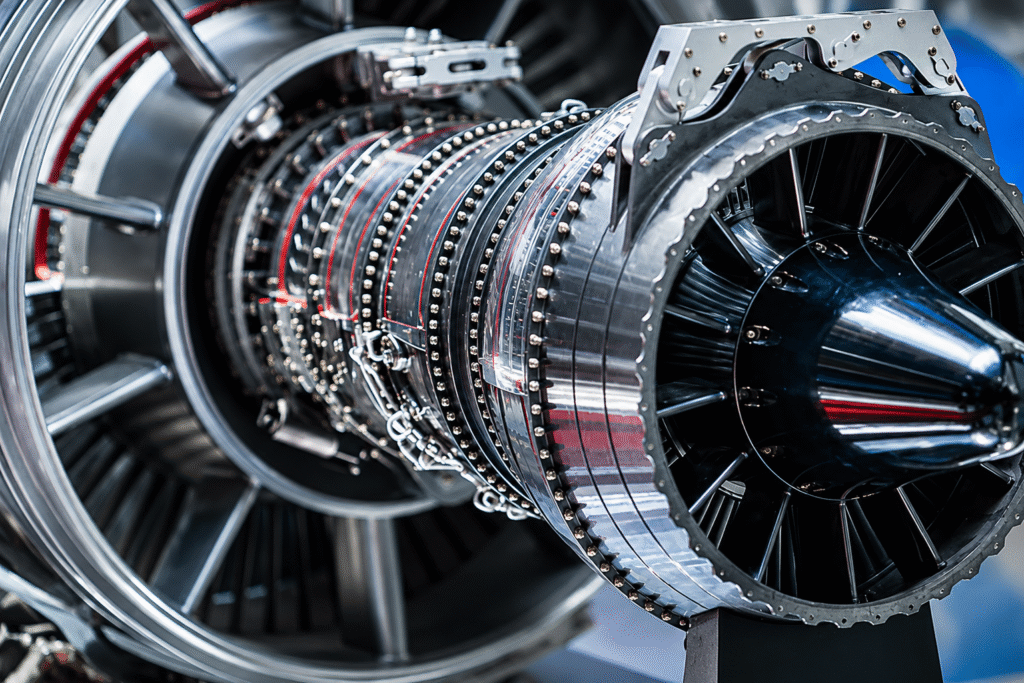
Among all turbine components, blades experience some of the harshest operating environments. Their aerodynamic profile directly influences efficiency, making precision restoration essential.
Professional blade component repair restores damaged edges, repairs cracks, rebuilds worn tips, and improves surface finish while preserving the original aerodynamic profile.
Proper restoration helps maintain airflow efficiency and supports consistent turbine performance across operating cycles.
Bucket Repair for Long-Term Reliability
Buckets operate under continuous thermal stress and rotational loading. Surface degradation can gradually reduce efficiency and increase maintenance costs.
Specialized bucket component repair addresses common issues such as:
- Tip wear
- Surface erosion
- Crack restoration
- Protective coating replacement
- Dimensional correction
Restoring bucket integrity helps improve operational stability while reducing the likelihood of unexpected failures.
Restoring Turbine Vanes
Vanes direct combustion gases toward rotating blades at carefully engineered angles. Even slight distortion affects turbine efficiency.
Professional vane component repair restores surface geometry, repairs cracks, replaces worn coatings, and ensures dimensional accuracy for optimal airflow management.
Accurate vane restoration supports improved combustion efficiency and helps reduce unnecessary mechanical stress on downstream components.
Industrial Gas Turbine Component Restoration
Industrial gas turbines contain numerous precision parts that require specialized maintenance expertise.
Comprehensive igt component repair services typically include inspection, welding, machining, coating restoration, dimensional verification, and final quality testing before components return to service.
Experienced repair providers follow manufacturer specifications and industry standards to ensure every restored component meets operational requirements.
Quality Assurance Throughout the Repair Process
Reliable repair programs emphasize quality at every stage.
Typical quality procedures include:
- Incoming inspection
- Damage assessment
- Repair planning
- Material verification
- Controlled repair execution
- Dimensional inspection
- Non-destructive testing
- Final documentation
- Performance verification
Comprehensive documentation provides maintenance teams with valuable information for future outage planning and asset management.
Choosing an Experienced Repair Partner
Not every repair facility offers the same level of expertise. Selecting the right provider is essential for long-term equipment reliability.
Important considerations include:
- Industry experience
- Certified technicians
- Advanced inspection capabilities
- Precision machining equipment
- Welding qualifications
- Engineering support
- Comprehensive testing procedures
- Quality management systems
- Proven turnaround performance
Working with an experienced repair partner helps ensure consistent results while minimizing operational risks.
Preventive Maintenance Strategies
Although repairs restore damaged components, preventive maintenance reduces the frequency and severity of future damage.
Best practices include:
- Scheduled inspections
- Continuous vibration monitoring
- Temperature trend analysis
- Regular performance evaluations
- Lubrication management
- Air filtration maintenance
- Foreign object damage prevention
- Planned outage inspections
A proactive maintenance program identifies developing issues before they become expensive failures.
The Future of Turbine Repair
Technological advancements continue improving repair quality and reliability.
Emerging innovations include:
- Digital inspection technologies
- Laser scanning
- Automated dimensional analysis
- Advanced thermal barrier coatings
- Robotic welding systems
- Additive manufacturing for material restoration
- Predictive maintenance powered by operational data
These technologies enable more accurate repairs, shorter turnaround times, and improved component performance.
Conclusion
Industrial turbines represent significant investments that require expert maintenance to deliver reliable performance over many years. Timely turbine component repair helps restore damaged components, improve operational efficiency, reduce downtime, and extend equipment life without the expense of complete replacement.
By combining advanced inspection methods, precision restoration techniques, and preventive maintenance strategies, facilities can maximize turbine reliability while controlling maintenance costs. Investing in experienced repair services ensures critical components continue operating safely and efficiently, supporting long-term productivity across demanding industrial environments.