What Is a Grounding Transformer and Why Is It Essential in Power Systems?

In modern electrical networks, safety, stability, and reliability are non-negotiable. Whether in industrial plants, renewable energy installations, or utility grids, proper grounding plays a crucial role in ensuring systems operate efficiently and safely. One key component that enables effective grounding—especially in systems without a natural neutral—is the grounding transformer.
This article explores the fundamentals of a grounding transformer, how it works, and why it is indispensable in maintaining the integrity of power systems.
Understanding a Grounding Transformer
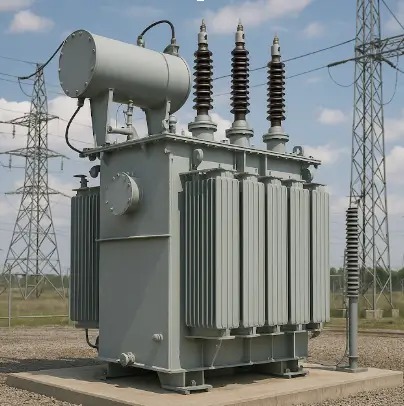
A grounding transformer (also referred to as a ground transformer) is a special type of transformer used to create a neutral point in a three-phase power system that otherwise lacks one. This artificial neutral allows the system to be grounded, improving safety and operational stability.
In many power systems—particularly delta-connected systems—there is no direct connection to ground. While this may seem efficient, it can lead to dangerous voltage imbalances and make it difficult to detect ground faults. A grounding transformer solves this problem by providing a path for fault currents to flow safely into the ground.
Why Grounding Is Important in Power Systems
Before diving deeper into grounding transformers, it’s important to understand why grounding itself is essential.
Grounding in electrical systems serves several purposes:
- Enhances safety by preventing electric shock hazards
- Protects equipment from damage due to faults or surges
- Ensures proper operation of protection devices like relays and circuit breakers
- Stabilizes system voltage during normal and fault conditions
Without proper grounding, even minor faults can escalate into serious issues, leading to equipment failure, downtime, or safety risks.
The Role of a Grounding Transformer
A grounding transformer becomes essential when a system lacks a neutral point. Its primary functions include:
1. Creating a Neutral Point
In delta-connected or ungrounded systems, there is no natural neutral. A grounding transformer introduces an artificial neutral point, enabling the system to be grounded effectively.
2. Providing a Path for Fault Currents
During a ground fault, electrical current needs a safe path to dissipate into the earth. The grounding transformer facilitates this by allowing fault currents to flow through it and into the ground.
3. Enabling Protection Systems
Protective devices such as relays depend on fault current detection. Without a grounding transformer, these devices may not function correctly, delaying fault isolation and increasing risk.
4. Voltage Stabilization
One of the most critical roles of a grounding transformer is maintaining voltage balance across all phases. In ungrounded systems, a single line-to-ground fault can cause the voltage in the other phases to rise significantly. Grounding transformers help prevent such overvoltage conditions.
How a Grounding Transformer Works
A grounding transformer works by using specially designed windings to simulate a neutral connection. The most common types include:
Zig Zag Grounding Transformer
The zig zag grounding transformer is widely used due to its efficiency and compact design. It consists of windings connected in a zigzag pattern, which allows it to:
- Provide a neutral point without needing a secondary winding
- Allow zero-sequence currents (fault currents) to flow
- Maintain balanced voltages across phases
This design is particularly effective in handling ground faults and stabilizing the system.
Grounding Delta Transformer
Another configuration is the grounding delta transformer, which uses a delta winding to create a grounding path. While effective, it is generally less compact and may require additional components compared to zig zag designs.
Neutral Path Creation in Ungrounded Systems
In ungrounded systems, the absence of a neutral point creates challenges:
- Fault currents are minimal and difficult to detect
- Voltage imbalance can occur during faults
- Equipment insulation is subjected to higher stress
A grounding transformer resolves these issues by establishing a neutral path. When a fault occurs, current flows through this path, allowing protective devices to detect and isolate the fault quickly.
This neutral connection also ensures that phase voltages remain within safe limits, preventing damage to equipment.
See also: How Marketing Fuels Sustainable Business Growth
Voltage Stabilization and System Reliability
Voltage stability is a cornerstone of reliable power system operation. In an ungrounded system, a single fault can cause the voltage of the remaining phases to rise to dangerous levels—sometimes up to line-to-line voltage.
Grounding transformers mitigate this risk by:
- Limiting overvoltage conditions
- Maintaining consistent phase-to-ground voltage
- Reducing stress on insulation systems
- Improving overall system reliability
By stabilizing voltage, grounding transformers not only protect equipment but also ensure uninterrupted operation of critical systems.
Applications of Grounding Transformers
Grounding transformers are used across a wide range of industries and applications, including:
Industrial Power Systems
Factories and manufacturing plants often use delta-connected systems for efficiency. Grounding transformers ensure these systems remain safe and stable.
Renewable Energy Systems
Solar and wind power installations frequently rely on grounding transformers to manage grounding and fault protection in inverter-based systems.
Utility Substations
Power distribution networks use grounding transformers to maintain system stability and enable effective fault detection.
Data Centers and Commercial Facilities
Sensitive equipment in data centers requires stable voltage and reliable grounding, making grounding transformers essential.
Benefits of Using a Grounding Transformer
The advantages of installing a grounding transformer extend beyond basic functionality:
- Improved Safety: Reduces risk of electric shock and fire hazards
- Enhanced Equipment Protection: Prevents damage from overvoltage and faults
- Reliable Fault Detection: Enables faster and more accurate operation of protection systems
- Voltage Stability: Maintains balanced voltage across all phases
- Flexibility: Allows grounding of systems that otherwise cannot be grounded
Grounding Transformer vs Other Grounding Methods
While grounding transformers are highly effective, they are one of several grounding methods. Others include:
- Solid grounding: Direct connection to ground, suitable for systems with a neutral
- Resistance grounding: Uses resistors to limit fault current
- Reactance grounding: Uses inductive reactance for current limitation
However, for systems without a neutral—such as delta systems—grounding transformers are often the most practical and efficient solution.
Key Considerations When Selecting a Grounding Transformer
Choosing the right grounding transformer requires careful evaluation of system requirements. Important factors include:
- Voltage rating: Must match the system voltage
- Fault current capacity: Should handle expected fault levels
- Type of transformer: Zig zag or grounding delta based on application
- Thermal performance: Ability to withstand fault duration
- Installation environment: Indoor or outdoor conditions
Proper selection ensures optimal performance and long-term reliability.
Maintenance and Operational Considerations
Like any electrical equipment, grounding transformers require regular maintenance to ensure they function correctly. Key practices include:
- Routine inspection of insulation and connections
- Monitoring temperature and load conditions
- Testing grounding resistance
- Checking for signs of wear or damage
Regular maintenance helps prevent unexpected failures and extends the lifespan of the transformer.
The Future of Grounding Transformers
As power systems evolve with the integration of renewable energy and smart grid technologies, the role of grounding transformers is becoming even more significant. Modern systems demand higher reliability, better fault management, and improved safety standards.
Advanced grounding transformer designs are now focusing on:
- Compact and space-saving configurations
- Enhanced thermal performance
- Integration with digital monitoring systems
- Improved efficiency and reduced losses
These innovations ensure grounding transformers remain a critical component in next-generation power systems.
Conclusion
A grounding transformer is far more than just an auxiliary device—it is a fundamental component that ensures the safety, stability, and reliability of electrical power systems. By creating a neutral point, providing a path for fault currents, and stabilizing voltage, it plays a vital role in protecting both equipment and personnel.
In ungrounded systems, where the absence of a neutral can lead to serious operational challenges, grounding transformers offer a practical and effective solution. Whether in industrial facilities, renewable energy installations, or utility networks, their importance cannot be overstated.
As electrical infrastructure continues to grow in complexity, investing in proper grounding solutions—including high-quality grounding transformers—remains essential for maintaining resilient and efficient power systems.