Budgeting and Planning a Record Release

An artist deciding to release on vinyl usually starts with the sound and the artwork. Those are the interesting decisions and they matter. The decisions that determine whether the release works financially are duller and get made later, frequently under time pressure, and they are the ones that cause regret.
Quantity, format, packaging, and timing between them set both the cost and the risk. Get them right and a record pays for itself and funds the next one. Get them wrong and an artist has several hundred copies in storage, capital they cannot recover, and a release date that arrived without records.
Approaching Vinyl Record Production as a project with a budget and a schedule, rather than as an order placed once the music is finished, is what separates the two outcomes.
Working Out How Many to Press
Quantity is the decision with the largest financial consequence and the least available information.
Minimum order quantities exist because setup costs are fixed, which means very small runs are either unavailable or expensive per unit.
Per-unit cost falls substantially with volume, which tempts artists toward larger runs on the reasoning that the economics improve. They do, per unit, and the total capital at risk rises.
The realistic basis for the estimate is your own audience rather than ambition. Mailing list size, previous physical sales, show attendance, and streaming numbers in your strongest markets all inform it, and streaming numbers translate to physical sales at a low rate.
Pre-orders are the most reliable signal available and they are worth running before committing to a quantity, since they convert estimation into data.
Repressing is possible and cheaper than the first run, since the metal parts already exist. That fact should push most artists toward a conservative first quantity, because the downside of selling out is a delay and the downside of over-ordering is permanent.
What the Budget Actually Contains
Costs accumulate across more categories than artists expect.
Mastering for vinyl, which is a separate process from digital mastering and worth paying for.
Lacquer cutting, which may be included in a plant’s package or charged separately.
Plating and stampers, again sometimes bundled.
The pressing itself, priced per unit with the quantity determining the rate.
Test pressings, typically a small number with a cost attached.
Jackets, which are a printing job with their own specification decisions.
Inner sleeves, which range from plain paper to printed or anti-static options.
Inserts, download cards, and any additional printed material.
Shrink wrapping and barcoding if going to retail.
Shipping from the plant, which for a pallet of records is not trivial.
Storage, if you have nowhere to put them.
Fulfilment costs for mail order, including packaging designed to survive postal handling, which for records is a genuine consideration.
A budget covering only the pressing quote will be short by a meaningful margin.
Format Decisions That Affect Both
Several specification choices interact with cost, sound, and schedule.
Record weight, with heavier pressings costing more per unit and being preferred by some buyers, though the audible difference is debated more than demonstrated.
Colour and effects, including coloured vinyl, splatter, and picture discs, which cost more and can affect surface noise. Picture discs in particular trade sound quality for visual appeal.
Single or double album, determined by total runtime and by how you want the sides to be. A long single LP with cramped sides may sound worse than a double with generous spacing, at substantially higher cost.
Speed, where a faster rotation improves sound quality at the cost of reduced time per side, which is why some releases spread across more sides.
Jacket construction, from single sleeve to gatefold, with gatefold costing considerably more and offering more artwork space.
Each of these is a genuine choice rather than an upgrade, and the right answer depends on whether the release is for collectors, for general sale, or for merchandise at shows.
Building a Schedule That Holds
Timelines for vinyl are long and the stages are sequential.
Audio must be final before mastering, and mastering for vinyl happens after any digital master.
Cutting and plating follow, then test pressings, then approval, then the run.
Packaging is produced in parallel with its own lead time and its own approval stage.
Plant queues mean a project waits for a production slot, and the wait has been measured in months for some time.
Shipping from the plant adds time, particularly for international production.
The practical consequence is that the vinyl process should start considerably earlier than the digital release preparation, and that announcing a release date before records are confirmed is how artists end up apologizing to pre-order customers.
A sensible approach is to set the release date only once the plant confirms delivery, or to announce a window rather than a date.
Making the Numbers Work
The commercial case depends heavily on how the records are sold.
Direct sales, whether at shows or through your own store, return the most per unit by a wide margin and are where most independent artists recover their costs.
Retail and distribution reach more people and return substantially less per unit after discounts.
Bundle pricing, meaning the record with other merchandise, raises the average transaction and is worth considering.
Pre-orders fund production before the invoice is due, which addresses the cash flow problem that otherwise requires the artist to finance the run.
Signed and limited variants command higher prices from committed buyers and cost little more to produce.
The break-even calculation should be done before ordering: total cost divided by expected net per unit, compared against a realistic sales estimate. If that requires selling nearly everything, the quantity is too high.
Treating Records as Part of the Release
A record works best alongside digital rather than instead of it.
Streaming and download reach the audience that consumes that way, which is most of it.
Vinyl serves the listeners who want the object, and for many artists that group is small, committed, and willing to spend more.
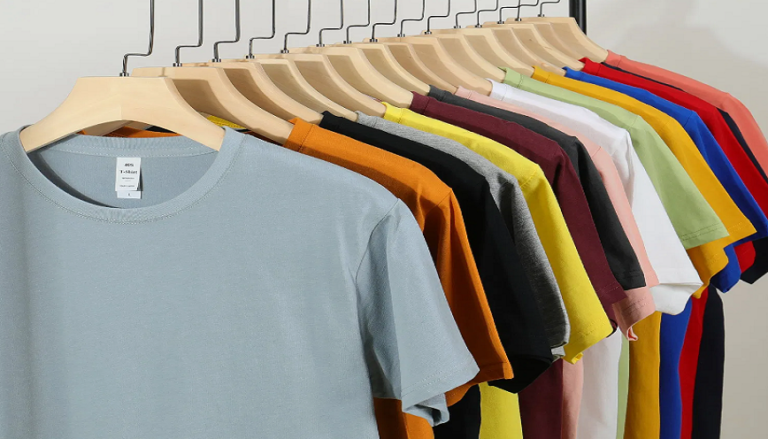
The record also functions as merchandise, and at a show it is a better proposition than a t-shirt for a substantial portion of an audience.
And for artists whose audience values physical media, the release itself becomes an event in a way that a streaming release does not, which has promotional value beyond the units sold.