When a Storm Leaves a Tree on Your Roof: What to Do in the First 24 Hours

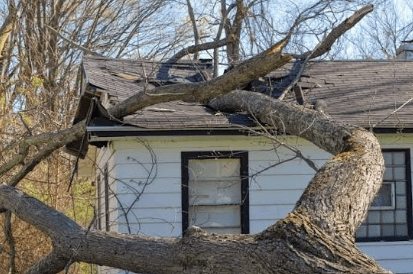
It is 2 o’clock in the morning. The winds die down, and there is a loud cracking noise, followed by a groan and a thud. All the windows in the home are shaking. At sunrise, there lies a 40-foot oak tree across the roof.
It is only natural for one to be afraid at this point. The decisions one makes over the next few hours will have a huge impact on the financial cost of the entire problem. And here’s the right order of steps to take in this regard.
Hour One: Keep Everyone Safe and Call the Right Authorities
Evacuate everyone from the rooms under the tree and keep them there. Even a sturdy-looking tree will shift with the wind again. Should you notice any downed wires or the smell of gas, call 911 and the utilities company first.
After that, call a crew that handles emergency tree removal, not a neighbor with a chainsaw. Lifting a tree off a roof needs a crane, rigging, and people who know how a heavy trunk will move when it’s cut. If you cut in the wrong spot, the tree can roll and crush more of the framing.
Hours Two to Six: Photograph Everything Before It Moves
Before any branches fall, take your phone and get:
• Wide shots of the house from every side
• Close-up shots of the roof, gutters, siding, and broken windows
• Interior shots of ceilings, the attic, and any water stains
• A slow video walking the whole property
That tree on your roof is the best proof you have. When it gets taken away, it will not be there anymore.
Then call your insurance company. The Insurance Information Institute says a standard homeowners policy will pay if wind, lightning, or hail pushes a tree onto your house, no matter who owns the tree or whose yard it is from. But, the money for taking away the tree is often limited to about $500 to $1,000. If the tree fell because you did not take care of it, they may not pay at all. You should ask your adjuster about both things when you first call.
Hours Six to Twelve: Stop the Water
A hole in the roof often leads to three big problems. Rainwater gets in and soaks the insulation. Then, it can drip through the drywall. Mold can also start to grow in just a day or two.
When you lift the tree, put a tarp on the hole. Go inside and move things like furniture. Roll up any rugs. Set out some buckets. You should keep every receipt for buying tarps and fans. This is because your policy wants you to stop more damage from happening.
Hours Twelve to Twenty-Four: Check the Trees Still Standing
Most people do not do this step. A tree that does not survive shows something in your yard. These reasons may include too much water, roots that fail to grow downwards, or a reason which you cannot see. Walk around the compound under the sun, looking for any trees which appear to be leaning, raised soil on the tree’s base, cracks on the trunk of the tree, or huge branches which hang by any barks.A tree expert calls those branches “hangers.” They may fall when you do not see it coming.
For a reminder of how fast calm can turn to trouble, read this story by a homeowner who saw a tree over fifty feet tall fall down.
Final Thoughts
You can’t stop a storm, but you can choose the order you do things in. Get people to a safe place first. Write down what was damaged. Call your insurer, and work to stop the water from spreading. Once that’s done, see what is still there and not broken. If you have a trusted team ready for tree removal before the next big storm season comes, you will have a good number to call. You will not need to look for a stranger in the middle of the night.
FAQ
Can I stay in my house if a tree is on the roof?
You should only go back if an expert says the building is safe. Do not stay in any room that is right below the tree until someone takes it out.
Will insurance pay for the whole tree removal?
Usually, it pays for only some of the cost. The amount for removing the tree is often between $500 and $1,000 if the tree falls on an insured part of your home.
How fast can a crew remove a tree from a roof?
Most jobs finish in a few hours or can take up to one day. The time depends on the size of the tree, how easy it is for the crane to get there, and if the tree is caught in the roof.