How Traditional Jewelry Complements Ethnic Outfits

Ethnic outfits have a distinctive character that comes from their colors, fabrics, embroidery, and cultural details. The right jewelry can bring all these elements together and create a polished appearance. From everyday traditional clothing to elaborate wedding attire, jewelry provides an opportunity to highlight cultural style while adding a personal touch.
Traditional jewelry has remained popular because it can adapt to different outfits and occasions. Whether someone is preparing for a wedding, festival, family gathering, or cultural event, carefully selected accessories can make an ethnic outfit feel complete without taking attention away from the clothing.
The Connection Between Jewelry and Ethnic Fashion
Jewelry and traditional clothing have developed alongside each other across South Asian cultures. Different regions have produced distinctive styles of clothing and jewelry, creating combinations that reflect local traditions and craftsmanship.
Ethnic fashion often features detailed embroidery, bold colors, and decorative patterns. Jewelry can either complement these details or provide contrast, depending on the desired appearance.
The key is to create a balanced combination where the clothing and accessories support each other. Too many competing details can make an outfit appear crowded, while too few accessories may leave an elaborate outfit feeling unfinished.
Choosing Jewelry Based on the Outfit
The first step in styling traditional jewelry is to consider the clothing itself. The neckline, embroidery, color, and fabric can all influence which accessories will work best.
For example, a heavily embroidered outfit may already contain significant visual detail. In this situation, carefully selected jewelry can enhance the appearance without overwhelming it.
A simpler ethnic outfit provides more freedom to experiment with statement accessories. Larger earrings or a detailed necklace can become the main focal point of the look.
Matching Jewelry With Colors
Color coordination can have a major impact on the final appearance.
Gold-toned jewelry often pairs naturally with warm colors such as red, maroon, orange, yellow, and deep pink. Silver-toned accessories can complement cooler colors such as blue, green, lavender, and pastel shades.
However, matching does not always require choosing identical colors. Contrasting jewelry can create visual interest when the combination is balanced thoughtfully.
The Importance of Earrings
Earrings are among the easiest ways to introduce traditional styling into an ethnic outfit. They frame the face and can significantly influence the overall appearance.
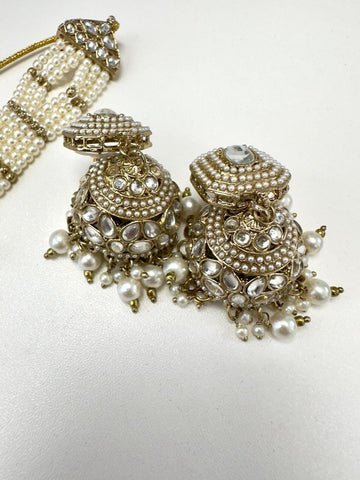
A classic Jhumka is especially popular because its traditional design works with many types of ethnic clothing. The bell-shaped structure adds movement and creates an instantly recognizable cultural aesthetic.
Jhumkas can be worn with sarees, lehengas, salwar suits, kurtas, and other traditional outfits. Their versatility makes them useful for both formal celebrations and smaller cultural gatherings.
Selecting the Right Size
The size of the earrings should correspond with the outfit and occasion.
Large earrings can work well with simple clothing because they create a strong focal point. With heavily embroidered outfits, medium-sized designs may provide a better balance.
Face shape and hairstyle can also influence the choice. Trying different designs before an event can help determine which style feels most comfortable and flattering.
Styling Jewelry for Wedding Outfits
Weddings often provide the perfect opportunity to wear more elaborate traditional jewelry. Ethnic wedding clothing usually includes rich fabrics, embroidery, and decorative details, making carefully coordinated accessories particularly important.
Brides may combine earrings with necklaces, bangles, and headpieces to create a complete look. Wedding guests can choose fewer pieces while still embracing traditional fashion.
The goal is to ensure that the jewelry complements the outfit rather than competing with it.
Adding a Maang Tikka to Traditional Looks
A headpiece can provide another way to enhance an ethnic outfit. The Maang Tikka is particularly popular for bridal and festive styling because it draws attention toward the face and adds a traditional finishing touch.
It can be worn with elaborate wedding outfits or simpler festive clothing. The design should ideally complement the other jewelry being worn.
For example, a detailed maang tikka can work well with simpler earrings, while a delicate headpiece may allow room for more decorative earrings or necklaces.
Balancing Multiple Jewelry Pieces
Wearing several jewelry pieces together requires attention to proportion. Earrings, necklaces, bangles, rings, and headpieces should create a coordinated appearance.
If every accessory is highly detailed, the overall look may become visually overwhelming. Choosing one or two statement pieces and keeping the remaining accessories more refined can create better balance.
This approach also makes individual jewelry pieces easier to appreciate.
Creating a Focal Point
Every outfit benefits from having a visual focal point. In traditional styling, this could be statement earrings, a necklace, a headpiece, or even an embroidered garment.
Choosing one primary focal point helps guide the rest of the styling decisions. If the earrings are the main feature, for example, the necklace and headpiece can be more understated.
Jewelry for Different Ethnic Occasions
Traditional jewelry does not have to be reserved for weddings. It can be adapted for many occasions.
Festivals often provide opportunities to wear colorful earrings and lightweight traditional accessories. Family gatherings may call for elegant pieces that offer a refined appearance without being overly formal.
For religious ceremonies, simpler jewelry may be more appropriate, depending on the setting and cultural expectations.
Understanding the occasion makes it easier to select pieces that feel both stylish and suitable.
See also: How Marketing Fuels Sustainable Business Growth
Combining Traditional and Contemporary Styles
Modern fashion has made it increasingly common to combine traditional jewelry with contemporary clothing. This approach creates a distinctive look that connects cultural heritage with current fashion trends.
For example, traditional earrings can be paired with a modern kurta, while a classic headpiece can complement a contemporary ethnic outfit.
This flexibility makes traditional jewelry useful beyond formal cultural events. People can incorporate individual pieces into their regular wardrobes without needing to wear a completely traditional outfit.
Considering Comfort and Quality
Jewelry should look attractive, but comfort is equally important. Heavy earrings or complicated accessories can become difficult to wear during long celebrations.
Lightweight designs can provide a practical alternative while maintaining traditional appeal. Secure clasps and quality finishing are also important for ensuring that jewelry remains comfortable throughout an event.
When selecting jewelry, paying attention to craftsmanship can help ensure that pieces maintain their appearance and remain suitable for repeated use.
Finding Traditional Jewelry for Different Styles
Different people have different approaches to ethnic fashion. Some prefer classic designs, while others enjoy contemporary interpretations of traditional jewelry.
Jida Jewels offers jewelry inspired by South Asian aesthetics, making it possible to explore traditional designs while considering modern styling preferences.
For those interested in traditional jewelry for ethnic outfits, weddings, and festive occasions, provides collections that can be incorporated into a range of traditional and contemporary looks.
Conclusion
Traditional jewelry can transform an ethnic outfit by adding cultural character, elegance, and visual balance. The key is to consider the clothing, occasion, colors, proportions, and personal style before selecting accessories.
From a classic Jhumka to a traditional Maang Tikka, individual jewelry pieces can create a strong connection between heritage and modern fashion. With thoughtful styling, traditional accessories can complement everything from everyday ethnic clothing to elaborate wedding attire while remaining timeless and personal.