Fire Risk Assessment for Warehouses and Industrial Sites

Warehouses and industrial sites present unique fire safety challenges due to their size, high storage volumes, machinery, and use of flammable materials. A fire risk assessment for warehouses and industrial sites is essential to identify hazards, evaluate risks, and implement effective control measures. Proper fire risk management helps protect workers, property, and business operations while ensuring legal compliance.
Understanding Fire Risks in Warehouses and Industrial Sites
Warehouses and industrial environments often contain large quantities of combustible materials, complex layouts, and heavy machinery. Fire risks may arise from electrical systems, manufacturing processes, storage of flammable goods, and vehicle operations such as forklifts.
High ceilings and open spaces can allow fires to spread rapidly if not properly controlled. Understanding these unique risks is the first step in carrying out an effective fire risk assessment tailored to industrial settings.
Legal Responsibilities and Fire Safety Compliance
Fire safety laws typically require employers and site operators to conduct regular fire risk assessments. The responsible person must ensure that risks are identified, appropriate fire safety measures are implemented, and assessments are reviewed regularly.
Compliance includes maintaining fire detection systems, providing safe evacuation routes, training staff, and keeping accurate records. Failure to meet legal obligations can result in enforcement action, fines, or site closure.
Identifying Fire Hazards in Industrial Environments
A thorough fire risk assessment begins with identifying potential fire hazards. Ignition sources in warehouses and industrial sites may include electrical installations, machinery, welding operations, heaters, and vehicle engines.
Fuel sources often include stored goods, packaging materials, pallets, chemicals, flammable liquids, gases, and waste products. Oxygen sources may come from natural ventilation, mechanical systems, or compressed gas cylinders. Identifying these elements helps assess how a fire could start and spread.
See also: Is Your “Home Court” Making You Worse at Pickleball?
People at Risk and Workforce Safety
Identifying people at risk is a critical part of the assessment. This includes employees, contractors, drivers, and visitors. Industrial sites may have workers operating machinery, working at height, or working alone, increasing evacuation challenges.
Special consideration should be given to workers with limited mobility or those unfamiliar with the site. Clear communication and safety procedures are essential to protect all individuals on the premises.
Fire Detection and Suppression Systems
Fire detection systems in warehouses and industrial sites must be suitable for large spaces and specific hazards. Smoke, heat, or flame detectors should be selected based on environmental conditions and risk levels.
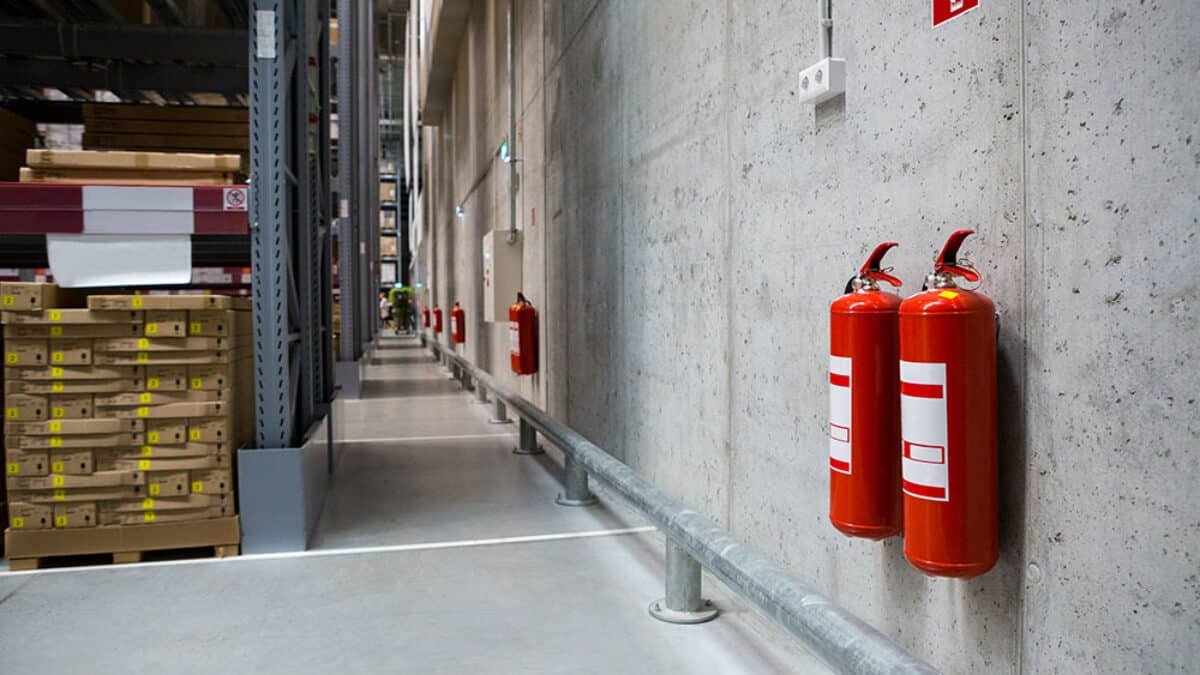
Fire suppression systems such as sprinklers, foam systems, or gas suppression may be required in high-risk areas. Portable fire extinguishers should be appropriate for the types of materials stored and easily accessible.
Escape Routes and Emergency Evacuation Planning
Effective evacuation planning is essential due to the size and complexity of industrial sites. Escape routes must be clearly marked, well-lit, and kept free from obstructions. Emergency exits should be distributed evenly and lead to safe assembly points.
Evacuation plans should account for shift patterns, noise levels, and visibility issues. Regular fire drills help ensure that workers understand procedures and can evacuate quickly and safely.
Storage, Housekeeping, and Fire Prevention
Good housekeeping plays a major role in fire prevention. Materials should be stored safely, with adequate separation between flammable goods and ignition sources. Aisles and access routes should remain clear at all times.
Waste should be removed regularly, and flammable substances should be stored in approved containers and designated areas. These preventive measures significantly reduce fire risk in warehouses and industrial sites.
Training, Maintenance, and Regular Review
Fire safety training is essential for all staff, particularly in high-risk industrial environments. Employees should understand alarm procedures, evacuation routes, and emergency responsibilities.
Fire risk assessments should be reviewed regularly and updated when changes occur, such as new machinery, altered layouts, or different storage materials. Regular maintenance of fire safety systems ensures ongoing effectiveness.
Conclusion
Fire risk assessment for warehouses and industrial sites is a vital safety and legal requirement. By identifying hazards, protecting workers, maintaining effective fire safety systems, and reviewing assessments regularly, organizations can significantly reduce fire risks. A proactive approach to fire risk assessment helps safeguard lives, protect assets, and ensure uninterrupted industrial operations.